Spring may be the most underrated season in the North Georgia mountains. The summer crowds have not arrived, cabins are easier to book, and the whole landscape shifts from bare gray ridgelines to something green and loud with birdsong in a matter of weeks. If you are hunting for the best spring activities in Blue Ridge Georgia, the real trick is understanding that March, April, and May each deliver a completely different trip. Pack for the wrong one and you will spend your weekend wishing you had brought a heavier jacket or a lighter pair of boots.
We put together a roundup of the spring highlights around Blue Ridge you should not miss a while back. This guide takes a different approach: a month-by-month planner built from years of watching the season unfold from our porch on the Toccoa River, so you can match your trip dates to what you actually want to do.
When Is the Best Time to Visit Blue Ridge Georgia in Spring?
There is no single right answer, and anyone who gives you one is guessing. The best spring activities in Blue Ridge Georgia are tied tightly to elevation, and elevation drives everything here. Blue Ridge sits around 1,750 feet, and the ridges above town climb well past 3,000. Spring effectively arrives in the valleys around Ellijay and Epworth two to three weeks before it reaches the high trailheads, which means the same weekend can feel like April in town and late March on the mountain.
If you want warmth and reliable dry days, aim for May. If you want solitude, waterfalls at full volume, and the lowest cabin rates of the season, go in March. April is the compromise most visitors land on, and it is genuinely lovely, but it is also the least predictable. Whatever you choose, layers are not optional. A 40-degree morning followed by a 72-degree afternoon is completely normal here.
March: Trout Season, Waterfalls, and a Quiet Town
March in Blue Ridge is for people who do not mind a little cold in exchange for having the place mostly to themselves. The hardwoods are still bare, which sounds unappealing until you realize it means you can see through the forest to ridgelines and rock outcrops that disappear entirely once the canopy fills in. Winter views last well into the month at higher elevations.
This is also when trout fishing gets serious. Georgia’s seasonal trout streams traditionally open in late March, while the Toccoa River tailwater below Blue Ridge Dam fishes year-round. The Georgia Department of Natural Resources publishes current season dates, stocking updates, and license requirements on its official Georgia trout fishing page, and it is worth a look before you load the truck, since regulations and stocking schedules change.
One thing that catches first-time anglers off guard: the tailwater rises fast when the dam generates. Water levels can jump several feet with little warning, so understanding how Blue Ridge Dam releases affect Toccoa River trout fishing is the difference between a great morning and standing on the bank watching your spot disappear.
March is also peak waterfall season, and chasing falls is one of the most rewarding spring activities in Blue Ridge Georgia for anyone willing to get their boots muddy. Snowmelt and spring rain push volume through the drainages, and falls that trickle in August thunder in early spring. Trails can be muddy and slick, so bring real footwear rather than sneakers, and give yourself extra daylight on the way back out.
April: Wildflowers, Blossoms, and the Mountains Turning Green
April is when the North Georgia mountains put on their show. Trilliums, bloodroot, and violets carpet the cove forests. Dogwoods and redbuds light up roadsides between Blue Ridge and Cherry Log. Serviceberry blooms white along the ridges before anything else leafs out, and by late in the month the green has climbed most of the way up the mountains.
Wildflower hiking is the headline activity, and the good news is that the region offers something at every difficulty level. Our guide to the best hiking trails near Blue Ridge Georgia for all skill levels breaks down which routes suit an easy family stroll versus a genuine calf-burner. In April, lower-elevation river trails tend to bloom first, so if you are chasing wildflowers early in the month, start low and work your way up.
April is also orchard country at its prettiest. Ellijay is Georgia’s apple capital, and the orchards that draw enormous crowds every October are quiet and covered in blossoms in spring. It is a completely different experience from fall apple season, and a much calmer one. Farm stands and bakeries in and around Ellijay and East Ellijay begin ramping up as the weather warms.
If rain moves in and you need an indoor-ish option, consider riding the Blue Ridge Scenic Railway. The route follows the Toccoa River toward the Tennessee line, and spring is arguably the best time to see the river corridor from the tracks. Check the current schedule before you plan around it, as operating dates vary year to year.
May: Warm Water, Long Evenings, and Festival Season
By May the trip changes character entirely. Days stretch long, the river warms enough that wading is comfortable without neoprene, and the small towns around Blue Ridge shift into their event calendars. Downtown Blue Ridge fills up on weekends, patios open, and the whole area feels awake.
May is when Toccoa River recreation really begins. Kayaking, paddling the flatter stretches, and simply sitting in a chair with your feet in the water become viable in a way they are not in March. Water below the dam stays cold year-round, so it is bracing rather than balmy, but it is more than pleasant on a warm afternoon.
Strawberry season arrives at area farms and orchards in May, which makes for an easy morning outing with kids before the heat builds. Evenings are the real reward, though. Late May sunsets after eight o’clock mean you can hike, eat dinner in town, and still get back to the cabin with light left in the sky.
Where to Stay: Blue Ridge, Cherry Log, Ellijay, and Epworth
Once you have picked your month, the next decision shapes the whole trip: which side of the valley you sleep on.
Location matters more in spring than people expect, largely because of that elevation effect. Staying near the river in Blue Ridge or Epworth puts you in the warmer valley air, close to trout water, and within a short drive of trailheads in every direction. Cherry Log, just south toward Ellijay, is quieter and heavily wooded, which makes it a favorite for people who want to hear nothing but wind and creek. Ellijay itself puts you closest to orchard country and the western trail systems.
A few practical notes for spring bookings. First, book earlier than you think you need to for May, especially for holiday weekends, because that month competes with summer for demand. Second, ask about river access if fishing is your priority, since walking to the water beats driving to it every single time. Third, bring more layers than the forecast suggests. Mountain weather in April can hand you three seasons in one afternoon.
The best spring activities in Blue Ridge Georgia are the ones that match the month you are actually visiting. Go in March for solitude, big water, and the opening of trout season. Go in April for wildflowers, blossoms, and mountains turning green in real time. Go in May for warm afternoons on the Toccoa and long evenings in town. Trying to force a May itinerary into a March weekend is the most common mistake we see, and it is easy to avoid.
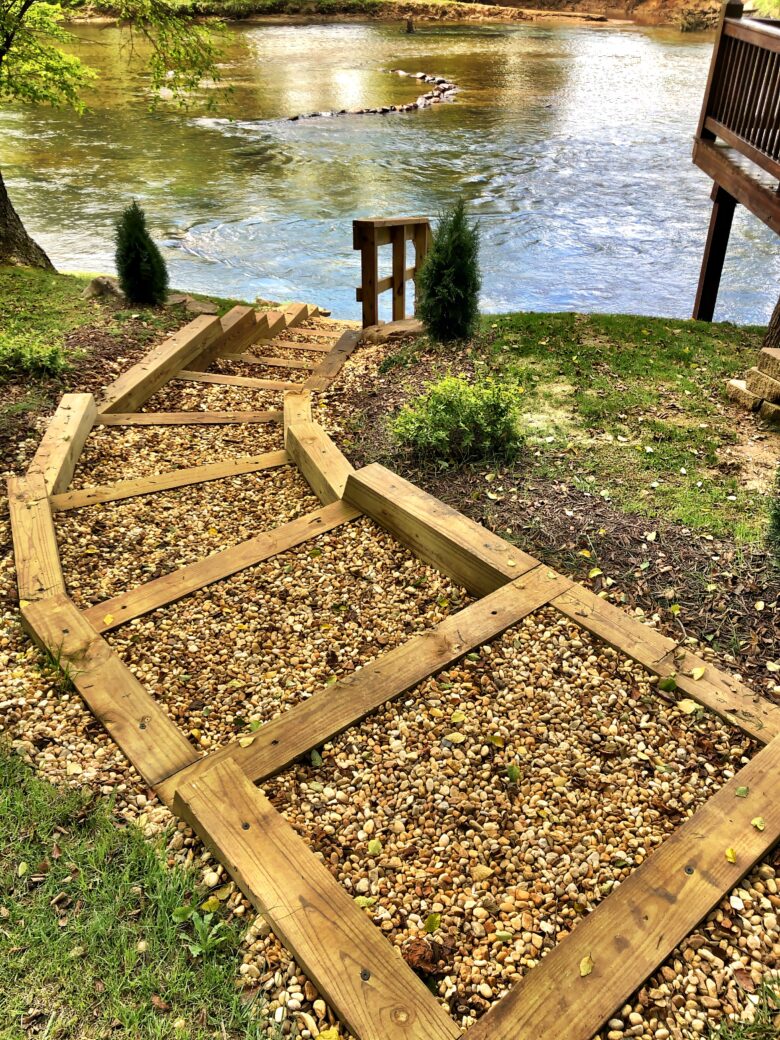
Whichever month you pick, having the river right outside your door changes the trip. Mornings start with coffee and moving water instead of a drive, and afternoons end the same way. If you are ready to plan your own spring escape into the North Georgia mountains, book your stay at Big Kahuna River Lodge and put the Toccoa River in your backyard. Spring here is short, it is beautiful, and it does not wait around.